
How to choose the right AV company for your conference in Athens
Essential criteria for choosing an AV partner in Athens: technical standards, 3D planning, LED walls, speech-first audio and on-site support for predictable conferences.
The success of a conference—especially with an international audience, a demanding programme and high expectations—depends directly on the quality of the audiovisual production. In Athens, one of the most dynamic destinations for MICE events, your technical partner is not just an “equipment supplier”. They are an external AV partner who defines flow, stability and the perceived quality of the whole show.
Below you will find practical criteria (and a quick checklist) to help you choose well.
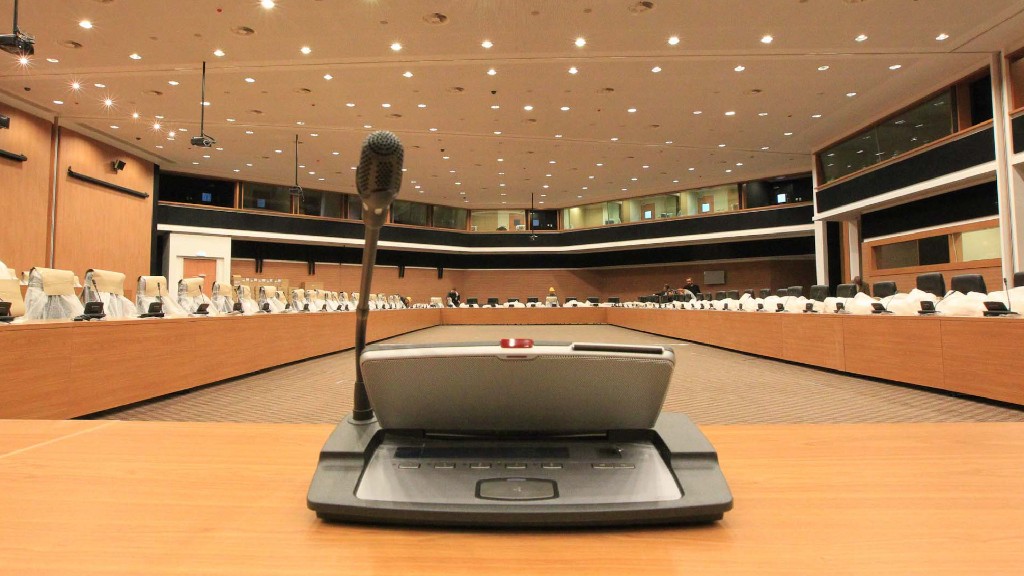
1) A proven track record in conferences (not only “events”)
Ask for evidence from conferences with real complexity: plenary + breakouts, VIP protocol, tight cueing, presenters, panels and Q&A.
Questions to ask:
- Do you have case studies from forums or conferences at a similar scale?
- How many parallel rooms can you support at the same time?
- Is there a dedicated project manager running cueing, speakers and the schedule?
What to look for in practice: photos and plans of the setup, show flow, problems solved on site—not only “we had a nice LED wall”.
2) International standards & equipment compatibility
Equipment should be modern and specified correctly. This matters especially for interpretation and conference microphone systems.
Examples:
- ISO 4043 for interpretation booths (where required)
- IEC 60914 for conference systems
- CE marking and safety documentation for technical infrastructure
Pro tip: the right partner will not bury you in datasheets—they will explain what you need and why, based on venue, audience and format.
3) Pre-production that reduces risk (site survey + 3D planning)
For premium conferences, “we will figure it out on site” is a risk.
Look for a partner who works with:
- Site survey (room, cabling runs, cameras, internet, FOH positions)
- 3D planning / 3D stage design so the setup is visualised before build
- Checklists, rehearsal and a cueing plan
This usually means fewer last-minute changes, a cleaner stage and a more predictable outcome.
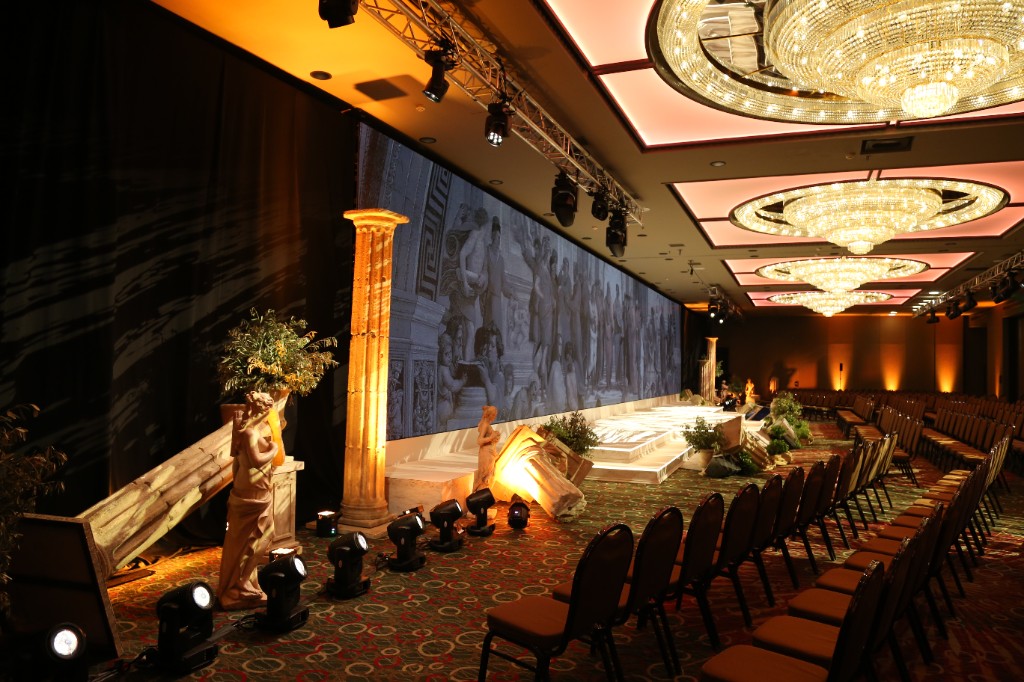
4) Imagery that works in the room and on camera (LED & presentations)
For data-heavy decks, sponsor branding and keynote visuals, image design is decisive.
Watch for:
- Appropriate pixel pitch (based on viewing distance and screen size)
- Camera-friendly tuning for streaming and recording (reduced flicker / banding)
- Solid vision control (switching, playback, backup content)
It is not only “install an LED wall”. It must work reliably across live cues, presentation changes and multiple sources.
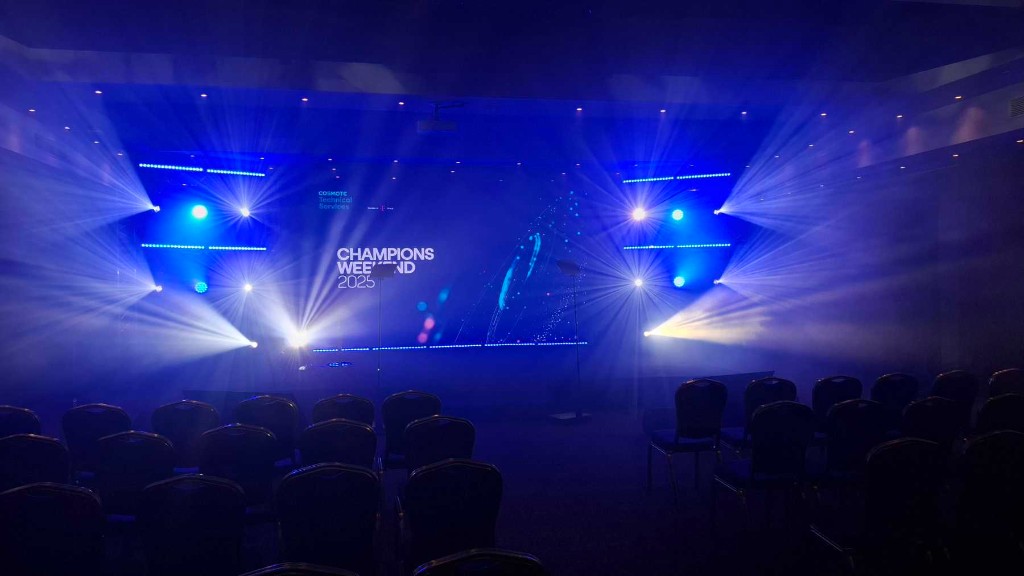
5) “Speech-first” audio & proper coverage
In conferences, audio is the #1 source of complaints. Ask for an approach that prioritises speech intelligibility:
- Correct loudspeaker layout and coverage for the room
- Appropriate microphones (podium, handheld, headset, panel)
- Feedback control and stable level for listeners in the room
Important: sound for the online audience is not the same as sound in the hall—it needs a separate plan.
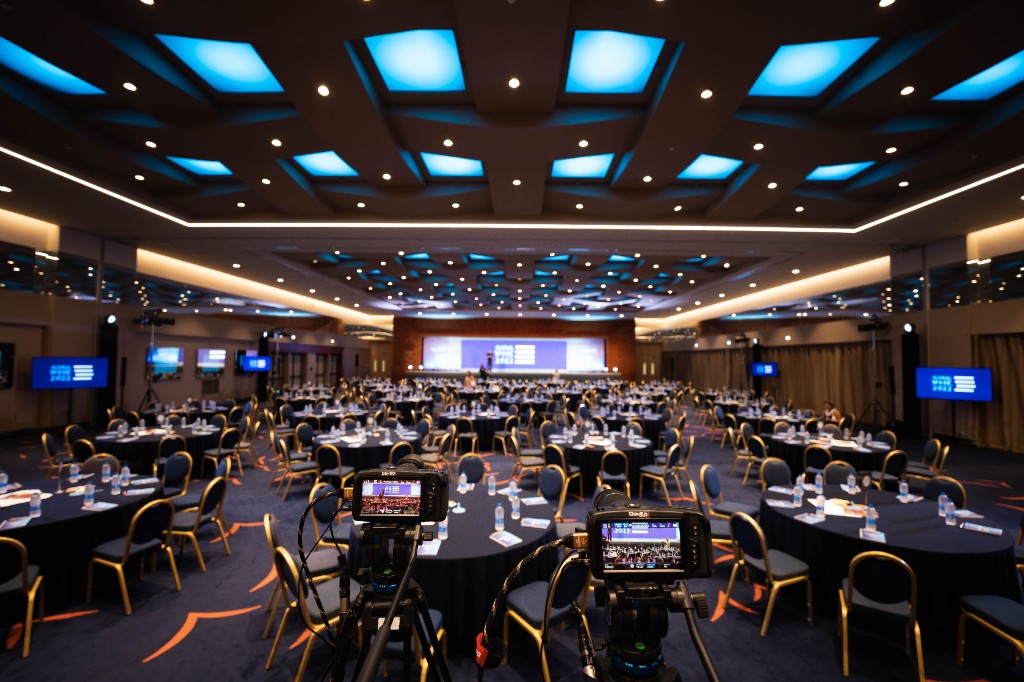
6) On-site team, roles and redundancy
Equipment without experienced people does not save a production.
Ideally you will see:
- An on-site project manager (not only technicians)
- Clear roles: sound, vision, lighting, streaming
- Redundancy on critical paths and proper rehearsals
Red flags:
- “We do not need a rehearsal”
- “We will sort it during the show”
- No clearly accountable production lead
Quick checklist when choosing an AV partner
- Proven conference case studies
- Site survey and structured pre-production
- Image solution with the right pitch and vision control—not “whatever is available”
- Speech-first audio thinking and proper coverage
- On-site crew with clear roles and a redundancy plan
- Can support breakouts and parallel rooms without the operation falling apart
Conclusion
Choosing the right AV company in Athens is not about who owns the most gear. It is about process, people and predictability. If you want a conference that runs with confidence—both in the room and online—choose a partner that works with proper planning, recognised standards and real on-site experience.
